Depth of Neurology Exposure
Divisions
The Ken & Ruth Davee Department of Neurology is made up of 11 divisions providing specialized training in a broad range of neurosciences. Each division has a clinical and research core in its structure. Visit our divisional pages to learn more about our faculty members' extraordinary range of expertise.
Rotation Highlights
General Neurology Service
This is a busy service that cares for patients with a wide variety of neurological diseases (neuro-oncology, epilepsy, neuro-ID, etc.). The service consists of one senior resident, two junior residents, rotators (including psychiatry, PM&R, and pediatric neurology), a nurse practitioner and medical students. We see the “bread-and-butter” patients as well as the “zebras.”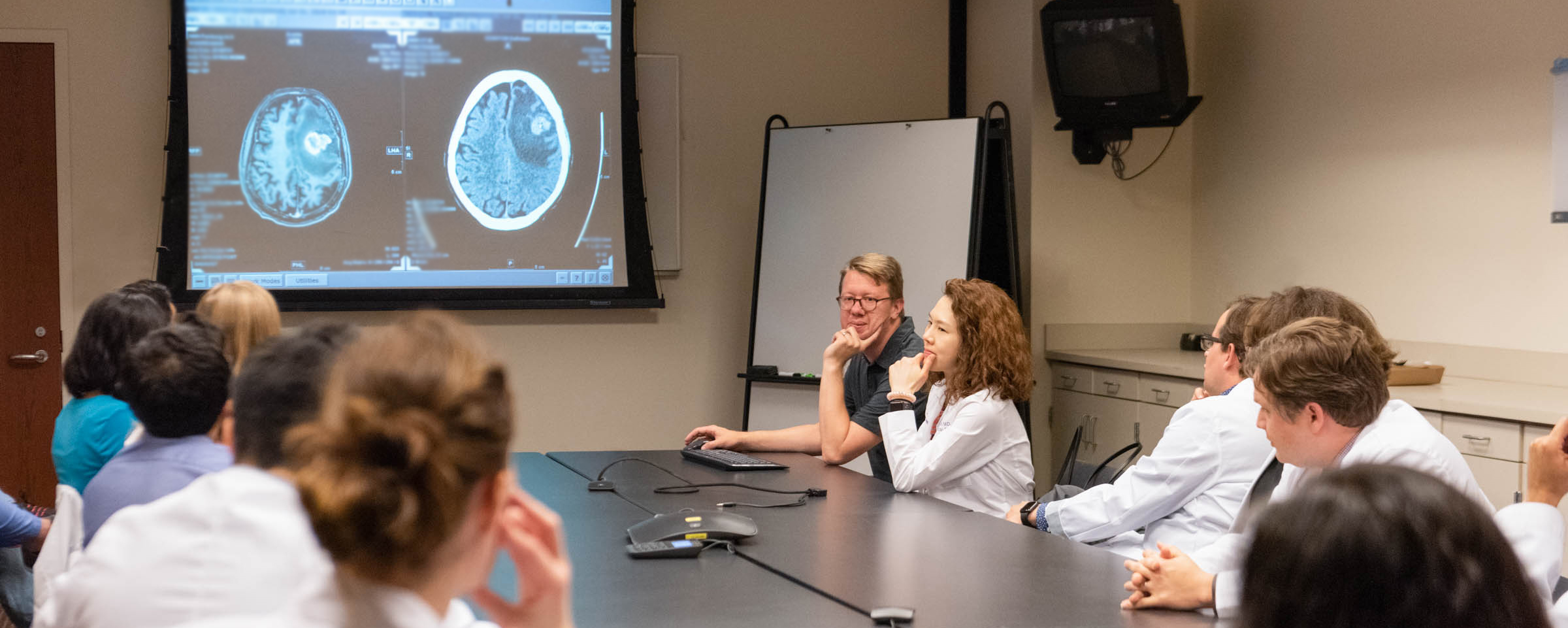
Stroke Service
The stroke inpatient service primarily admits stroke and vascular cases. It is staffed by a senior resident, a stroke fellow, one to two junior residents, and medical students. Close collaboration with neurosurgery and interventional radiology is a highlight.
Consult Service
Residents work in a team with one senior, one to two juniors, rotators (including psychiatry, PM&R, and pediatric neurology), and medical students. This team sees non-vascular consults, including common and uncommon disorders, from all over the hospital.
Neuropathology
During this two-week or four-week rotation, residents will be provided with the basic foundations for interpretation of gross and microscopic pathology specimens relevant to neurology practice, as well as the tools necessary for evaluating neurosurgical brain and spinal cord biopsy specimens and autopsy brain and spinal cord specimens. The rotation will provide a framework of reference for the neurology trainee who will encounter neuropathology in most of their patients.
Cognitive Neurology & Neuropsychiatry
The focus of this rotation is on behavioral neurology and neuropsychiatry. Residents will spend most of their time in a variety of clinical settings including cognitive neurology clinics, neuropsychology and social work clinics, and psychiatry clinics. Most of the rotation takes place in the Mesulam Center for Cognitive Neurology & Alzheimer’s Disease under the guidance of Dr. Marsel Mesulam who also leads a weekly clinical case conference. Other highlights include exposure to neuropsychiatry clinics with expert psychiatrists in epilepsy and movement disorders clinics.Neuroradiology
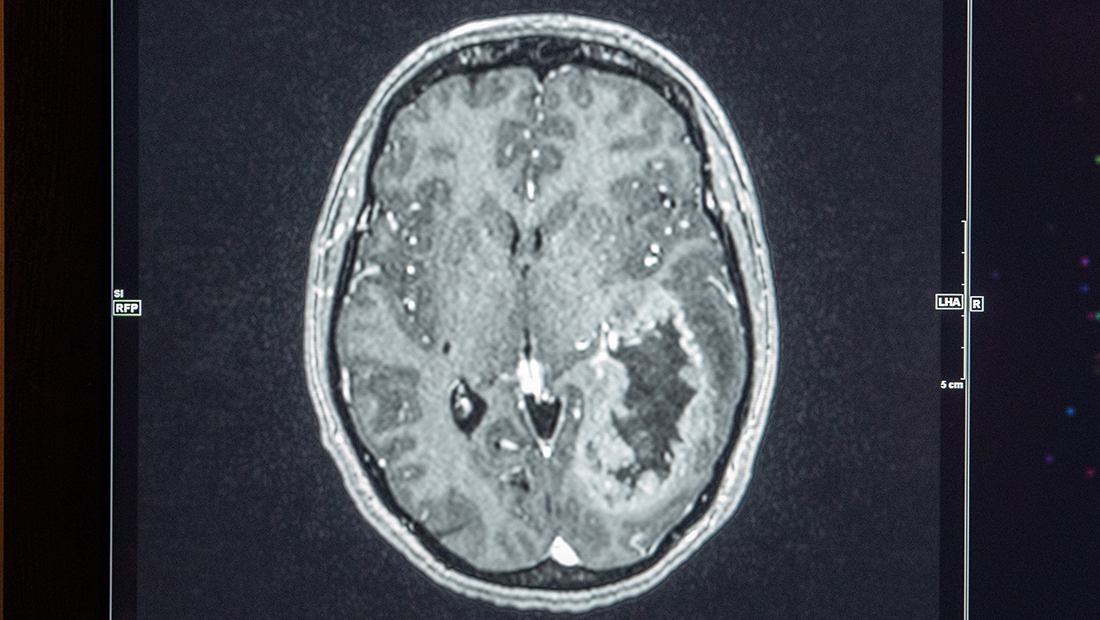
Residents will see a tremendous range of imaging pathology that comprises the routine workload in neuroradiology. They will develop a basic understanding of the different imaging modalities that we use (CT, MRI, myelography and angiography) and learn which modality is best suited to answer the pertinent clinical questions. We will discuss anatomy and disease processes as they appear on imaging. In exchange, residents provide important clinical insights to what radiologists are viewing on the screens. A monthly combined neurology/neuroradiology didactic conference is also a popular part of the didactic curriculum.
Community Free Clinic Experience
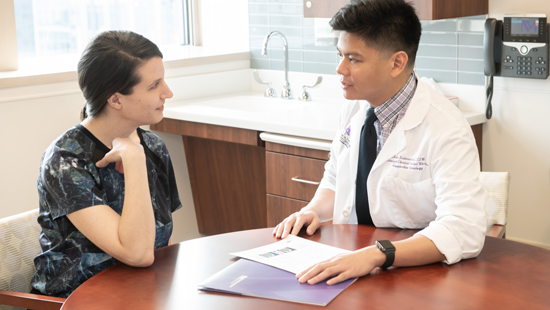
Residents in our program have the opportunity to participate in a CommunityHealth free clinic. This is a unique opportunity to work with our exceptional Neurology Department faculty in a setting that addresses health disparities and serves the community. We have an established relationship with CommunityHealth through which residents can promote neurological health in patients who have limited access to subspecialty neurological care. This opportunity fosters a connection with our home city, allowing us to advocate for and provide equitable and quality care for families across a broad range of socioeconomic and cultural backgrounds.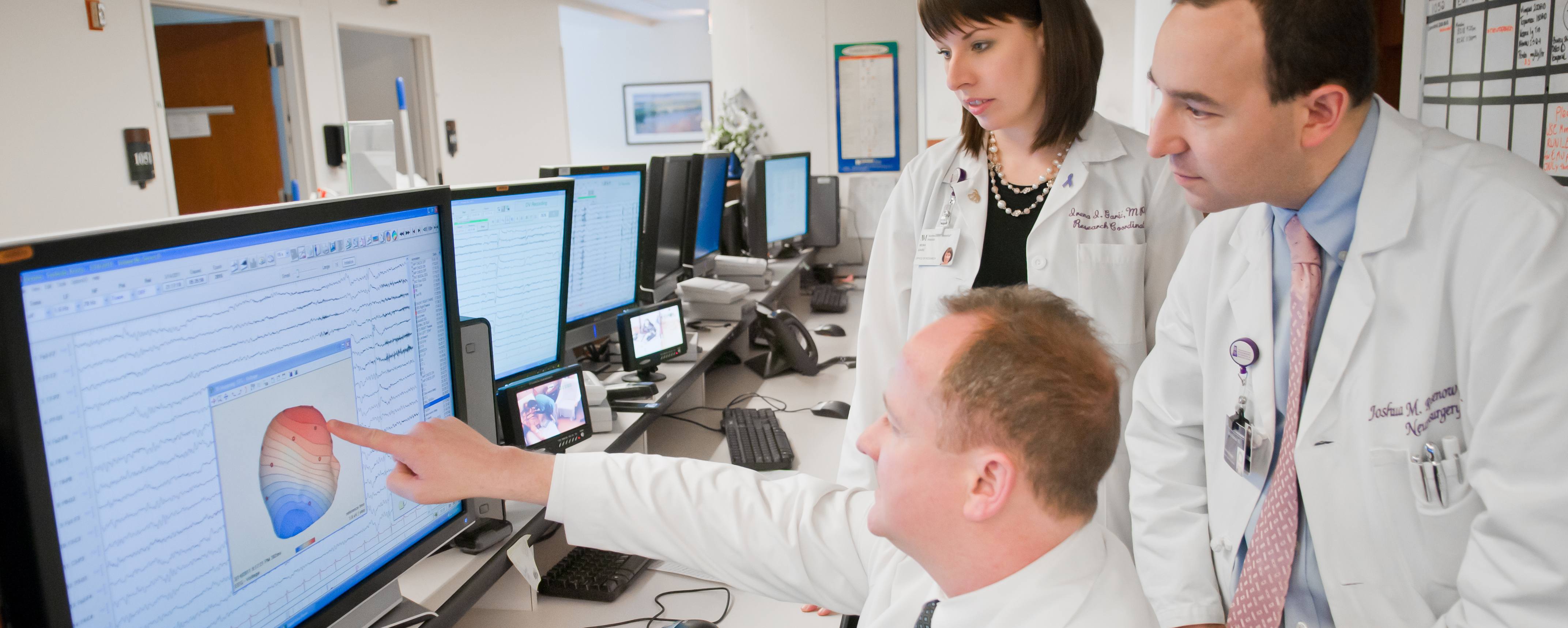
Epilepsy
Residents will learn to demonstrate competence with independent interpretation of normal EEG, common abnormal patterns, normal variants and recognition of ictal patterns. They will learn to obtain an epilepsy specific history and physical in a tertiary care setting, understand indication of basic and advanced workup of epilepsy patients, diagnose common forms of epilepsy and select first-line treatment options.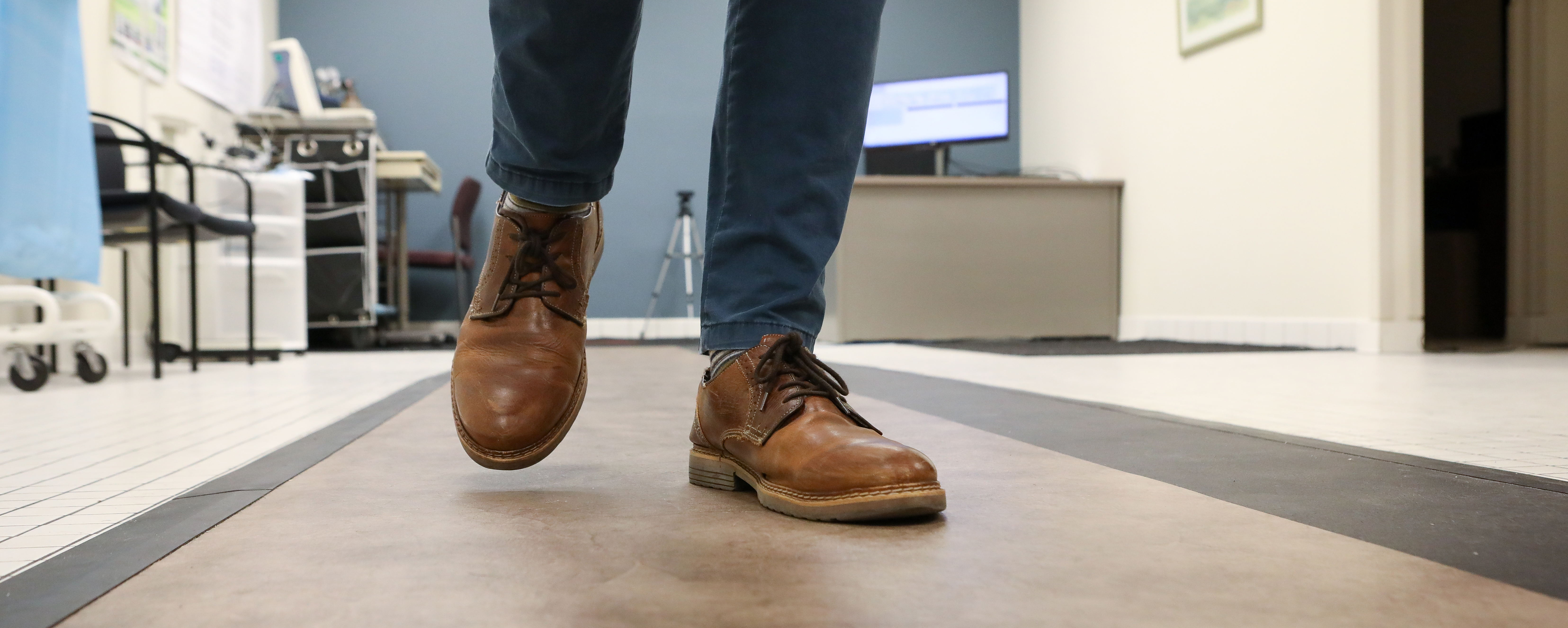
Neurorehabilitation Elective
We are fortunate to have an affiliation with the No. 1 rehabilitation hospital in the country in the Shirley Ryan AbilityLab, located on our campus. Residents can complete a two-week or four-week elective that includes exposure to spinal cord injury and brain injury or stroke rehabilitation, including both outpatient and inpatient experiences.
Global Neurology
The Havey Institute for Global Health supports global health education for Feinberg residents and fellows who display an interest in global health and working with underserved populations in resource-limited settings. The Center for Global Neurology provides our residents the opportunity to engage in world-wide research and education focusing on improving prevention, diagnosis, mitigation, treatment, and rehabilitation of neurological disorders.Concussion and Sports Neurology
Trainees interested in exposure to concussion and sports neurology can spend time with our faculty specializing in brain, spine, and nerve injuries. Cross-collaboration with Physical Therapy, Neuropsychology, Orthopaedics, and Sports Medicine provide a holistic approach to the learning about diagnoses and care. Residents learn how to manage acute concussions and post-concussion symptoms as well as addressing cognitive and behavioral issues that may stem from sports injuries.
Pediatric Neurology
Over the course of training, residents will complete three months of pediatric neurology training at Lurie Children’s Hospital to gain competency in the assessment and treatment of children with acute and chronic neurologic disorders and satisfy the ABPN requirements for board eligibility. The children’s hospital is connected to our main hospital. Residents and fellows will participate in clinics under the supervision of a variety of neurology attendings. Subspecialty clinics including neuromuscular (MDA), movement disorders, demyelinating disorders, epilepsy, headache and neonatal neurology will be included. Residents will also rotate on the inpatient pediatric neurology service and have the option to rotate in the pediatric EMU and neonatal ICU.
Academic / Teaching Rotation
As part of the residency teaching mission, each senior resident will dedicate one block to a medical education rotation. During this rotation, the resident will be responsible for guiding several teaching experiences for medical students. Teaching responsibilities during this rotation include small group lectures, teaching procedures, and case-based teaching. During this rotation, residents will learn to take on the role of an educator and leader. The rotation will be combined with a research or clinical elective. Time that is not scheduled for teaching can be spent in the outpatient subspecialty clinic of their choice or working on a research project.
Neurologic Intensive Care Unit
The combined neurological-neurosurgical intensive care unit, consisting of 24 beds, is equipped with sophisticated medical technology and provides advanced care to the most complicated and urgent neurological cases, often transferred from outside hospitals. The NICU has its own active fellowship program, carries out cutting-edge clinical research and plays an essential role in the education of Northwestern neurologists.Women's Neurology
Our Women's Neurology rotation offers the opportunity to gain exposure to neurologic disease with higher prevalence in women, as well as diseases that require specialized management during a woman's reproductive years, pregnancy, the postpartum period, and menopause. This multi-disciplinary rotation includes Neuroimmunology, Headache Medicine, Vascular Neurology, and Epilepsy training with a focus on the intersection of women's health and neurological care. Meet the Women's Neurology Team.
Neuromuscular / EMG
The aim of this rotation is to master the skills of evaluation and management of patients with neuromuscular disorders as well as to gain the foundation of the technical and interpretation skills of EMG. Residents will gain a deeper understanding of the anatomy of the peripheral nervous system and neuromuscular disease pathophysiology by rotating through the multidisciplinary Lois Insolia ALS Clinic, the Muscular Dystrophy/Charcot Marie Tooth Clinic, Myositis Clinic, General Neuromuscular Clinics and in the EMG/autonomics lab.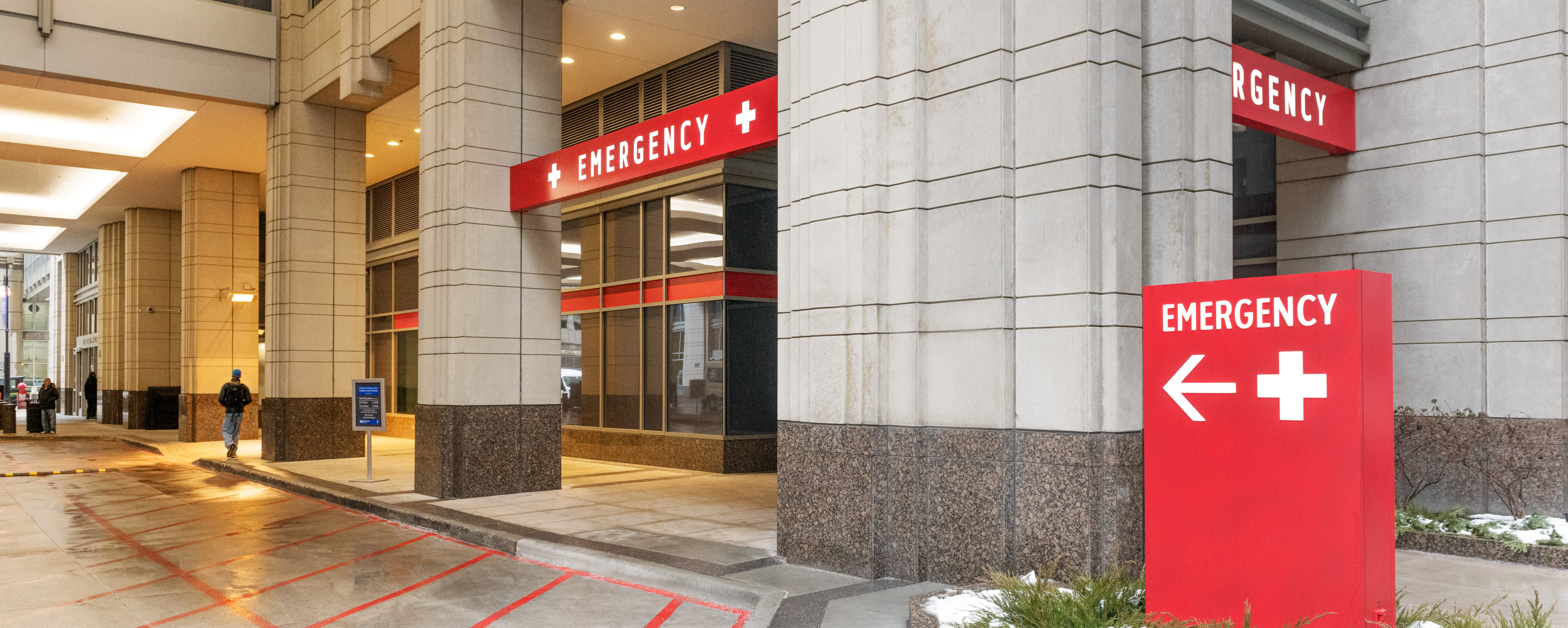
Emergency Neurology
This rotation provides a consolidated experience in the assessment of neurological problems in the emergency room setting. The residents perform consults in the emergency room and decide on the disposition of the patients. Our residents consider the ER neurology rotation a highly meaningful learning experience that provides opportunity for valuable autonomy.
Night Float
The aim of this rotation is to expose the trainee to a wide variety of neurologic disorders and the evaluation of patients in the emergency room and hospital setting. This is a two-person system consisting of a junior and senior resident working together. Our night float schedule consists of six one-week blocks for our PGY-2s and three one-week blocks for our PGY-3s and PGY-4s. We no longer have any 24-hour calls!